
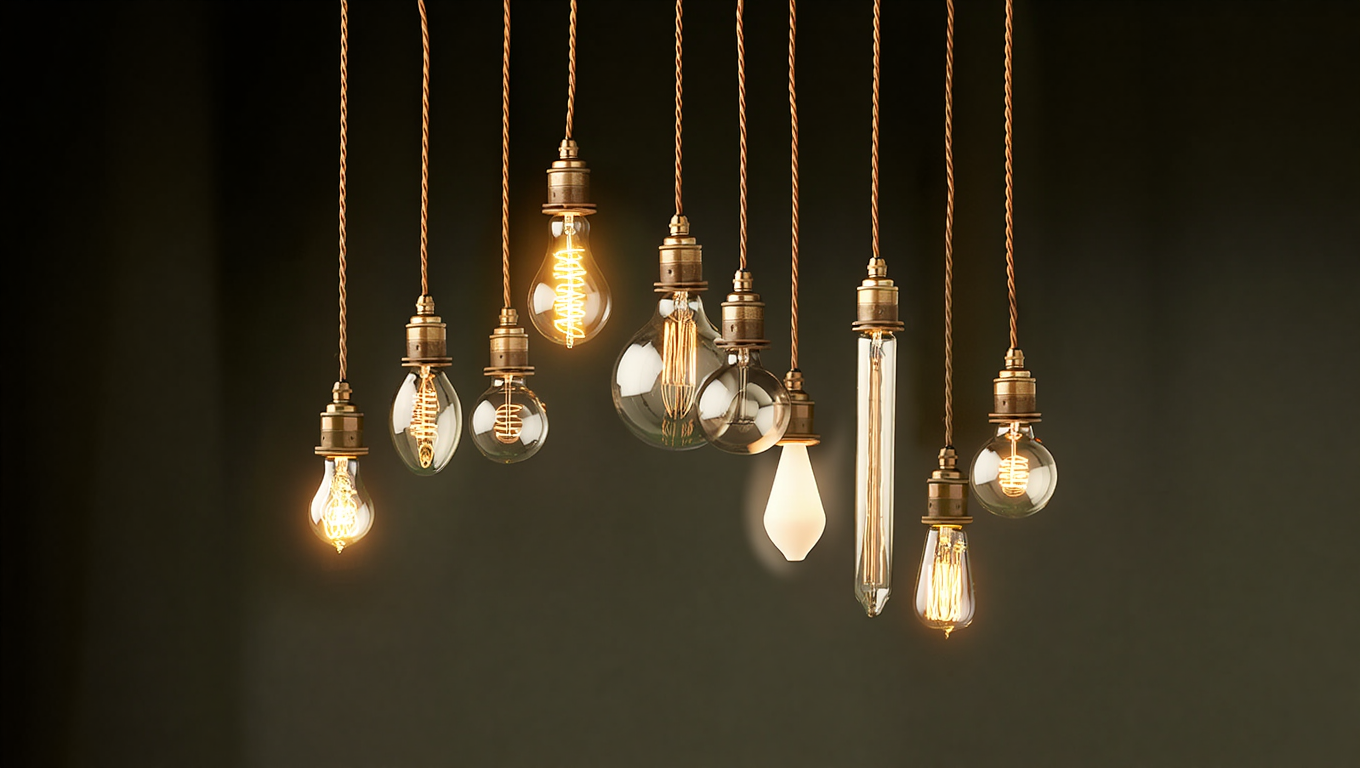
Choosing a light bulb might seem simple, but once you step into a lighting aisle or browse online, you’re faced with dozens of codes, sizes, and shapes—A19, E26, BR30, GU10, and more. Each has a specific role, brightness level, and fit. Just like using the right car part for optimal performance, using the correct bulb shape and base ensures efficiency, safety, and style in your home.
In this Home Lighting 101 Guide, we’ll break down everything from bulb shapes and sizes to base types and codes—so you can light your space smarter, not harder.
What Are the Different Light Bulb Shapes for Home?
When you buy a bulb, the “shape” isn’t just for looks—it affects how the light spreads, the fixture it fits into, and even how much energy it uses. The shape code (like A19 or BR30) tells you both the appearance and application of the bulb. Understanding these codes helps you avoid mismatched or inefficient lighting setups.
For example, A-series bulbs are your everyday workhorses, ideal for table lamps or ceiling fixtures. On the other hand, BR (bulged reflector) or PAR (parabolic aluminized reflector) bulbs are made for directional lighting—perfect for accent lighting, recessed ceilings, or outdoor floodlights. Globe-shaped G bulbs create a soft, full glow, making them ideal for bathrooms or vanity mirrors.
Each shape has its own advantages and ideal uses. Choosing wisely ensures better light distribution, longer lifespan, and reduced replacement costs.
What Are the Light Bulb Base Sizes Used for Home?
Before you screw in your next bulb, check the base. Bulb bases come in various diameters and connection types, determining what fixture they fit. The base code usually includes a letter and a number—like E26 or GU10—representing the base style and size in millimeters.
Common household bases include:
- E26/E27: Standard screw base for lamps, ceiling fixtures, and most home lighting.
- E12: Candelabra base found in chandeliers or decorative sconces.
- GU10 or GU24: Twist-and-lock bases for recessed or track lighting.
- G9 or G4: Pin-style bases for smaller decorative or specialty lights.
Selecting the correct base size is essential; otherwise, the bulb won’t fit or might cause electrical issues. Always check both the fixture’s rating and the bulb’s voltage to avoid overheating or damage.
What Are Light Bulb Screw Bases for Home?
Screw bases, or “Edison” bases, are the most common connection style. The “E” stands for Edison, and the number (e.g., 26) denotes the diameter in millimeters. These bases simply twist into the socket, offering a secure electrical connection.
- E26 (Medium Base): Found in standard lamps, ceiling lights, and floor fixtures.
- E12 (Candelabra Base): Used for chandeliers, wall sconces, and some ceiling fans.
- E17 (Intermediate Base): A smaller screw base for appliances or night lights.
OEM vs. Aftermarket Tip:
Original bulbs from fixture manufacturers (OEM) guarantee perfect fit and heat control, while aftermarket LED versions often offer better efficiency and longevity at a lower cost—just ensure you match the base type and voltage.
What to Know About Light Bulb Pin Bases for Home?
Pin bases are designed for compact or specialized lighting systems, often where space is limited. Instead of screwing in, these bulbs have two (or more) small pins that plug directly into the socket.
Common pin base types include:
- GU10: Twist-lock pins for directional track and recessed lighting.
- G9: Bi-pin for small pendant and decorative fixtures.
- G4: Micro pin base often found in cabinet or accent lights.
Pro Tip: Always check if your fixture requires a twist-lock (GU-type) or straight-insert (G-type) pin base. Mixing them up is a frequent mistake that can damage both the bulb and socket.
Common Bulb Codes for Bulb Sizes
Bulb codes combine both shape and size information. The letters indicate shape (A, G, BR, etc.), and the numbers refer to the bulb’s diameter in eighths of an inch.
| Code | Shape Name | Diameter (inches) | Typical Use |
| A19 | Standard | 2.375″ | Lamps, fixtures |
| G25 | Globe | 3.125″ | Vanity, decorative |
| BR30 | Bulged Reflector | 3.75″ | Ceiling, recessed lighting |
| PAR38 | Parabolic Reflector | 4.75″ | Outdoor, floodlight |
| MR16 | Multifaceted Reflector | 2″ | Accent or display lighting |
Understanding these codes helps you replace bulbs without guessing or returning the wrong item. Always cross-check shape, size, and base type before purchase.
Bulb Types Based on Shape & Size
Different bulbs serve different lighting purposes, and the right shape can drastically improve the ambiance and energy use in your home.
A Bulbs
The classic A-series bulb (like A19 or A21) is what most people picture when they think “light bulb.”
- Best for: Table lamps, pendants, and general lighting.
- Pros: Affordable, easy to find, and widely compatible.
- Tip: For a cozy indoor atmosphere, choose 2700K warm white LEDs.
B & C Bulbs
These are candle or bullet-shaped bulbs, perfect for decorative fixtures like chandeliers or wall sconces.
- Pros: Elegant appearance with clear or frosted finishes.
- Cons: Smaller bases (E12) mean lower wattage output.
- Tip: Opt for dimmable LEDs for ambiance control in dining rooms.
G Bulbs
Globe bulbs are round and evenly diffuse light, ideal for vanities or open fixtures.
- Pros: Aesthetic appeal, balanced glow.
- Cons: Slightly larger; may not fit in all fixtures.
- Example: G25 LED bulbs for makeup mirrors or bathrooms.
BR Bulbs
BR (Bulged Reflector) bulbs are designed for wide beam angles, great for general area lighting.
- Best for: Ceiling cans and recessed lights.
- Tip: Use BR30 or BR40 LEDs for energy-efficient room lighting.
PAR Bulbs
PAR (Parabolic Aluminized Reflector) bulbs produce focused, intense beams—perfect for outdoor and accent lighting.
- Best for: Security lights, floodlights, or spotlights.
- Durability: Weather-resistant versions are ideal for exterior use.
MR Bulbs
MR (Multifaceted Reflector) bulbs are small, bright, and directional—common in display lighting.
- Use: Retail, kitchen accent, or track lighting.
- Tip: Replace halogen MR16s with LED versions for lower heat and energy cost.
LFL & T Light Bulbs
Linear Fluorescent Lamps (LFL) and T-series tubes are long cylindrical bulbs.
- T8 or T12 refers to tube diameter in eighths of an inch.
- Best for: Garages, offices, and workshops.
- Upgrade Tip: Replace fluorescent tubes with LED retrofits for instant-on lighting and reduced flicker.
How Can You Select the Right Shape and Size of Your Home Bulb?
Choosing the right bulb isn’t only about looks—it’s about performance, comfort, and cost-efficiency.
Lighting Needs
Start with where and why the light is needed. For general lighting, use A-series or BR bulbs. For focused tasks, opt for PAR or MR types.
Color
Color temperature affects mood:
- 2700K–3000K: Warm and cozy (bedrooms, living rooms)
- 4000K–5000K: Bright white for kitchens or work areas
Dimming
Not all LED bulbs work with dimmers. Always check for “dimmable” on the packaging and ensure your fixture supports it.
Smart Technology Compatibility
If using smart lighting systems (like Philips Hue or Alexa-controlled bulbs), make sure your bulb base and shape are compatible with your smart socket or hub.
Aesthetics and Design Trends
Exposed filament or vintage-style bulbs (ST64, PS52) pair beautifully with open fixtures. Frosted bulbs create a softer, diffused glow.
Environmental Impact
LED bulbs last up to 25,000 hours—reducing waste and energy use. Avoid halogens or incandescents if sustainability is a priority.
Cost Considerations
Though LED bulbs cost more upfront, they save significantly on energy bills.
Example: A $4 LED can replace a $1 incandescent and save over $100 in electricity across its lifespan.
Pro Tips for Long-Lasting and Cost-Effective Lighting
1. Combine Form and Function
Think beyond brightness—each bulb’s shape affects how your room feels.
- A19 LEDs: Perfect for ambient lighting.
- PAR38 LEDs: Best for focused outdoor lighting.
- G25 LEDs: Ideal for vanity setups.
Selecting the right combination enhances comfort and reduces unnecessary power consumption.
2. Maintain Proper Fixture Hygiene
Dusty lampshades and recessed fixtures reduce brightness and force bulbs to work harder. Clean every few months to maintain full lumen output and prevent overheating—especially in enclosed fixtures.
3. Check for Voltage Compatibility
If you’re switching from halogen to LED, verify voltage ratings. Some low-voltage systems (like MR16 track lights) require compatible LED drivers. Using the wrong type can shorten bulb lifespan or cause flickering.
4. Avoid Over-Lamping
Using a bulb with higher wattage than your fixture rating can overheat sockets, melt wires, or void warranties. Stick to the fixture’s wattage limit, even with energy-efficient LEDs.
5. Invest in ENERGY STAR–Rated LEDs
They meet strict energy efficiency and longevity standards, ensuring high-quality light and lower energy costs. These bulbs also undergo more rigorous safety testing.
Quick Reference: Matching Shape, Base & Application
| Bulb Code | Shape | Base Type | Best Use | Recommended Wattage (LED) |
| A19 | Standard | E26 | Table lamps, ceiling fixtures | 8–12W |
| B10 | Candle | E12 | Chandeliers, sconces | 4–6W |
| G25 | Globe | E26 | Bathrooms, vanities | 8–10W |
| BR30 | Reflector | E26 | Recessed ceiling | 9–11W |
| PAR38 | Flood | E26 | Outdoor lighting | 12–15W |
| MR16 | Reflector | GU10/GU5.3 | Track, display lighting | 6–8W |
| T8 | Tube | G13 | Garage, workshop | 18–22W |
Common Mistakes to Avoid
Even with good intentions, homeowners often make costly lighting errors. Here’s what to avoid:
1. Mixing Color Temperatures
Using both warm and cool bulbs in the same room creates inconsistent lighting. Always stick within a 500K range for uniformity.
2. Ignoring Fixture Ratings
Many LED bulbs are not designed for enclosed fixtures. Overheating shortens their life dramatically—up to 70%. Always look for “enclosed fixture rated” on the box.
3. Overlooking Dimming Compatibility
Pairing a non-dimmable bulb with a dimmer switch often causes flickering. Use bulbs specifically labeled “dimmable LED.”
4. Buying Based Only on Watts
Watts measure energy use, not brightness. Replace this mindset with lumens. Example: 10W LED ≈ 60W incandescent.
5. Forgetting to Check Return Policies
If buying online, always confirm return eligibility. Many bulbs look similar in pictures but differ slightly in base size or voltage—especially for imported brands.
Environmental & Economic Impact: Why Switching to LED Matters
Switching to LED isn’t just about convenience—it’s an investment in sustainability and your wallet.
- Reduced Power Bills: LEDs cut electricity costs by up to 85%.
- Longer Lifespan: One LED bulb can outlast 25 incandescent replacements.
- Lower Heat Output: Safer and cooler operation reduces fire risks.
- Eco-Friendly Disposal: LEDs contain no mercury or toxic gases.
Real-World Example:
A homeowner replacing ten 60W incandescent bulbs with 10W LEDs saves approximately $150 annually on electricity, assuming 3 hours of daily use at average utility rates.
Buyer’s Checklist: Choosing the Perfect Bulb
Before hitting “buy,” double-check these points:
- Fixture Compatibility: Confirm shape, base, and voltage.
- Brightness: Choose lumens suitable for the space.
- Color Temperature: Match the room’s function and mood.
- Dimmable or Smart Feature: If you use dimmers or voice assistants.
- Energy Rating: Look for ENERGY STAR or DLC certification.
- Warranty: Quality bulbs often come with a 3–5 year warranty.
Following this checklist ensures your lighting upgrade goes smoothly and delivers long-term satisfaction.
Maintenance Tips for Long Bulb Life
Just like maintaining a car extends engine life, a few easy lighting habits can stretch your bulbs’ lifespan:
- Keep Airflow Clear: Avoid covering lamps with thick fabric shades that trap heat.
- Avoid Rapid On/Off Switching: LEDs handle it well, but CFLs don’t—turning them off too soon can shorten life.
- Use Surge Protectors: Voltage spikes can damage circuits inside LED bulbs.
- Install Proper Fixtures Outdoors: Only use weather-rated bulbs and housings to prevent moisture damage.
Final Thoughts
Lighting technology has evolved, and homeowners now have access to more efficient and stylish options than ever before. Whether it’s an A19 for your living room or a PAR38 for outdoor floodlighting, understanding bulb codes, shapes, and sizes allows you to make smarter, longer-lasting choices.
Don’t leave your lighting to guesswork—choose bulbs that enhance your space and save you money.
Explore our online catalog today for the latest LED light bulbs designed for every home and every need, backed by trusted performance and expert guidance.
FAQs
Can all light bulbs be used with dimmer switches?
Not all bulbs are dimmable. Only bulbs labeled “dimmable LED” or “compatible with dimmer switches” will work properly. Using a non-dimmable bulb on a dimmer can cause flickering, buzzing, or even damage. Always match your bulb type and wattage with a dimmer approved by the bulb’s manufacturer.
What are lumens, and how do they affect lighting choice?
Lumens measure brightness, not energy use. The higher the lumen rating, the brighter the bulb. For example, a 60W incandescent equals roughly 800 lumens in LED form. Choosing the right lumen level ensures you get the brightness you need without overspending on electricity.
How does bulb shape affect energy efficiency? (≈50 words)
Bulb shape influences how light is directed. Reflector bulbs (like BR or PAR) focus light efficiently, reducing wasted lumens. Spherical bulbs (A or G types) spread light more evenly but may require more lumens for the same perceived brightness. Matching shape to function enhances both efficiency and comfort.
Can I use any bulb shape in a dimmable fixture?
No, not all shapes are compatible with dimmers or enclosed fixtures. Some LED or decorative bulbs can overheat in tight spaces. Check for “dimmable” and “enclosed fixture rated” labels. Always match the shape and base recommended by your fixture’s manufacturer for optimal performance and safety.
What is the environmental impact of different bulb types?
LEDs are the most eco-friendly, consuming up to 80% less energy and lasting 20 times longer than incandescent bulbs. CFLs contain trace mercury and need careful disposal, while halogens produce more heat and waste energy. Switching to LEDs significantly reduces your carbon footprint and electricity bills.
Are certain bulb shapes better for smart lighting?
Yes. A19, BR30, and GU10 are popular for smart home systems because they fit common fixtures and support color-changing or dimming functions. Smart-compatible LEDs allow wireless control via apps or voice assistants. Always confirm your bulb’s base type and Wi-Fi or Zigbee compatibility before purchasing.