
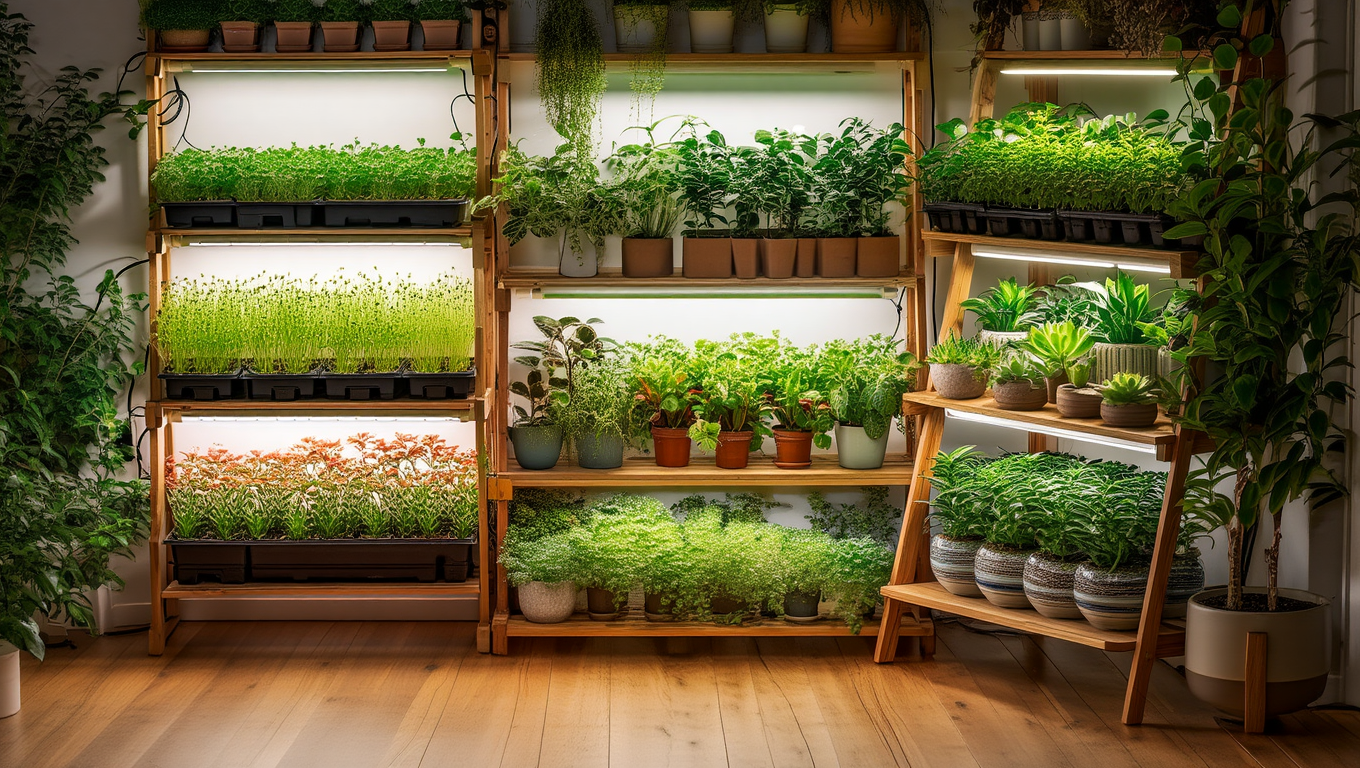
Indoor gardening has become increasingly popular, and with it comes the question: can you use LED strips to grow plants effectively? While LEDs are energy-efficient, versatile, and easy to install, not all LED strips are suitable for plant growth. Plants require specific light spectra to carry out photosynthesis, which directly affects growth, flowering, and fruiting. Understanding which LED strips can meet these needs—and how to use them—can help you grow healthy plants indoors without relying solely on sunlight.
In this guide, I’ll explore the science behind plant lighting, the types of LED strips suitable for growth, setup tips, and common mistakes to avoid.
Understanding Plant Light Requirements
Photosynthesis and Light Spectrum
Photosynthesis is the process by which plants convert light energy into chemical energy, fueling growth. Light quality, intensity, and duration all affect how well plants can perform this process. Blue light, typically between 400–500nm, is essential for leaf and vegetative growth, promoting strong stems and compact foliage.
Red light, around 620–660nm, encourages flowering and fruit development, making it crucial for fruiting plants and ornamental blooms. Many indoor growers rely on full-spectrum lighting that includes both red and blue wavelengths to mimic natural sunlight.
Full-spectrum LED strips combine multiple wavelengths, providing plants with the energy they need for every growth stage. Using only white decorative LEDs often fails to provide sufficient red or blue light, which can lead to weak, spindly plants. Understanding the spectrum ensures you select the right LED strips for optimal plant health.
Light Intensity and Duration
Light intensity is just as important as the spectrum. Plants require a certain number of photons to photosynthesize effectively, often measured as PPFD (Photosynthetic Photon Flux Density). Seedlings and leafy greens require less intense light than flowering or fruiting plants. For example, lettuce may thrive with 100–200 µmol/m²/s, while tomatoes need 300–600 µmol/m²/s for robust growth.
Duration matters too. Most indoor plants benefit from 12–16 hours of light daily, followed by a dark period to simulate night. Overexposing plants to light can disrupt natural cycles, while insufficient exposure can slow growth. Timers help maintain consistent photoperiods, ensuring plants receive the ideal amount of energy each day.
Can LED Strips Replace Traditional Grow Lights?
Pros of Using LED Strips for Plants
LED strips offer several advantages for indoor gardening. They are energy-efficient, consuming far less electricity than traditional fluorescent or HID grow lights. Their low heat output allows them to be placed closer to plants without causing leaf burn, making them ideal for small spaces, vertical gardens, or shelving setups. Additionally, LED strips are flexible and customizable, allowing gardeners to install them along walls, under shelves, or inside cabinets.
Cost is another benefit. Compared to commercial grow lights, high-quality LED strips are often more affordable, making them a practical choice for hobbyists or beginners. They are easy to install with adhesive backing or mounting channels, reducing the need for complex fixtures.
Limitations of Standard LED Strips
However, not all LED strips are suitable for growing plants. Most decorative RGB or white LED strips are designed for aesthetics, not plant health. They often lack the specific red and blue wavelengths necessary for efficient photosynthesis. Using these strips alone may result in weak growth, leggy plants, or limited flowering.
Moreover, standard LED strips generally have lower light intensity compared to dedicated grow lights. While they can supplement sunlight or other grow lights, they may not provide sufficient energy for larger plants or crops intended for high yield. For small herb gardens or seedlings, they can be effective, but for flowering plants or fruits, supplemental lighting is often necessary.
Choosing the Right LED Strip for Plant Growth
Full-Spectrum LED Strips
Full-spectrum LED strips include both blue and red wavelengths, often combined with white light to mimic sunlight. They are ideal for all growth stages, from seedling to flowering. These strips support photosynthesis, promote healthy roots, and enhance leaf and flower development. For example, indoor herb gardens like basil or parsley thrive under full-spectrum LED strips, producing vibrant leaves and strong stems.
Selecting a high-quality full-spectrum LED strip ensures uniform coverage and reliable performance. Look for strips that indicate their wavelength distribution and PPFD output to ensure they meet plant requirements.
Red and Blue LED Combinations
Some growers prefer strips with only red and blue LEDs. Red LEDs at 660nm are excellent for flowering and fruiting, while blue LEDs at 450nm support vegetative growth. Combining these strips allows gardeners to optimize lighting for different growth stages.
For instance, seedlings may benefit from more blue light, while flowering plants require higher red light intensity. This approach is effective for growers who want precise control over plant development.
Wattage and Coverage Considerations
The wattage of an LED strip directly affects light intensity. Low-wattage strips are suitable for small setups or supplemental lighting, while higher-wattage strips are needed for larger areas or high-light-demand plants.
Coverage depends on the number of LEDs per meter, distance from plants, and reflective surfaces in the growing area. Calculating the required wattage and spacing ensures plants receive uniform light, preventing shaded areas or uneven growth.
Setting Up LED Strips for Plant Growth
Placement and Distance from Plants
Distance between LED strips and plants is critical. Placing strips too close may cause leaf burn, especially with high-intensity LEDs. Too far, and light may be insufficient for photosynthesis. A typical range is 6–18 inches, depending on plant type and strip intensity.
For seedlings, closer placement encourages compact growth, while mature plants may require slightly more distance to prevent overheating. Adjusting distance as plants grow maintains optimal light exposure throughout their lifecycle.
Timing and Duration
Maintaining consistent light cycles is essential. Leafy greens generally thrive with 12–16 hours of light per day, while flowering plants may need 14–18 hours during the vegetative phase, followed by shorter cycles to induce flowering.
Using timers automates the process, ensuring plants receive consistent energy without manual intervention. Photoperiod control helps simulate natural daylight and promotes healthy development, especially in indoor environments with limited sunlight.
Mounting and Safety Tips
Mounting LED strips properly ensures safety and performance. Use heat-resistant channels or diffusers to prevent heat buildup and protect strips from moisture. In hydroponic setups, avoid placing strips where they can contact water.
Adhesive-backed strips should be mounted on clean, dry surfaces for secure adhesion. Proper mounting prevents sagging, uneven coverage, and potential electrical hazards, ensuring long-lasting results.
Real-World Examples and Results
Indoor Herb Gardens
Indoor herb gardens are an ideal starting point for experimenting with LED strips. Herbs like basil, mint, parsley, and thyme grow well under full-spectrum or red/blue LED strips.
For example, a small countertop herb garden with 12 watts per meter of full-spectrum LED strips placed 12 inches above the plants can produce lush growth within 3–4 weeks. Many indoor gardeners find that supplementing natural sunlight with LED strips prevents leggy growth and maintains uniform leaf size and color.
These setups also allow for vertical gardening. By attaching LED strips under shelves or cabinets, multiple layers of herbs can receive adequate light without occupying additional floor space. This approach maximizes the yield in limited indoor areas while maintaining aesthetic appeal.
Seedlings and Young Plants
LED strips are particularly effective for seedlings and young plants. During the early growth stages, plants require consistent blue light to develop strong roots and compact foliage. Seedlings under a 12–16 hour daily light cycle with red/blue LED strips exhibit thicker stems and healthier leaves compared to those grown under standard decorative LEDs.
Additionally, LED strips produce minimal heat, which is critical for delicate seedlings. High-intensity traditional grow lights like HID lamps may generate too much heat at close proximity, risking damage to tender plants. Low-heat LED strips allow gardeners to position lights close to seedlings for optimal energy absorption without fear of burn.
Ornamental Plants and Succulents
LED strips are not only functional but can enhance the visual appeal of indoor ornamental plants and succulents. Small LED strips installed around planters or under shelves provide targeted lighting for low-light spaces while encouraging steady growth. Succulents, in particular, benefit from supplemental red and blue wavelengths, ensuring compact growth and vibrant colors even indoors.
These setups are popular for aesthetic indoor landscaping, combining decorative illumination with functional plant growth. By carefully selecting full-spectrum or targeted red/blue strips, homeowners can maintain healthy plants in locations that would otherwise be unsuitable due to low natural light.
Common Mistakes to Avoid
Using Standard Decorative LED Strips
One of the most common errors is using standard RGB or white decorative LED strips for plant growth. While these strips are energy-efficient and visually appealing, they often lack the specific red and blue wavelengths required for photosynthesis.
Plants may survive under decorative LEDs but typically grow slower, exhibit pale leaves, or fail to flower properly. Always choose LED strips labeled for plant growth or full-spectrum applications.
Incorrect Distance or Intensity
Placing LED strips too close to plants can cause leaf burn, while placing them too far reduces light intensity, leading to leggy, weak plants. For seedlings, 6–12 inches distance is usually sufficient, while mature leafy plants may require 12–18 inches depending on strip intensity. Adjusting distance as plants grow ensures consistent light exposure and healthy development.
Ignoring Photoperiod Requirements
Plants require a balance of light and darkness. Exposing them to continuous light can stress them, while insufficient light limits photosynthesis. Leafy greens generally need 12–16 hours of light, while flowering plants may require up to 18 hours during vegetative growth and 12 hours during flowering. Using timers or smart lighting systems ensures accurate photoperiods, supporting proper plant cycles.
Practical Tips for Using LED Strips Effectively
- Measure and Plan: Calculate the area to be covered and select strips with sufficient wattage and LED density.
- Mix Light Spectra: Use full-spectrum strips or combine red and blue LEDs to support all growth stages.
- Use Reflective Surfaces: Position plants near reflective walls or panels to maximize light efficiency and reduce dark spots.
- Monitor Growth: Observe leaf color, stem thickness, and flowering to determine if light intensity or duration needs adjustment.
- Consider Smart Controls: Timers, dimmers, or smart controllers allow easy adjustments for growth stage or plant type.
Conclusion
LED strips can be an effective and flexible tool for indoor gardening when selected and used properly. Full-spectrum or red/blue LED strips provide the wavelengths necessary for photosynthesis, supporting healthy growth, strong roots, and flowering. Correct placement, light intensity, and timing are critical to achieving optimal results, while reflective surfaces and smart controllers enhance efficiency.
For small indoor herb gardens, seedlings, and ornamental plants, LED strips offer energy-efficient and customizable lighting. Explore high-quality LED strips designed for plant growth to maximize indoor yields, improve plant health, and create vibrant, thriving green spaces in any indoor environment.
FAQs
Can any LED strip grow plants?
Only full-spectrum or red/blue LED strips are effective. Decorative white or RGB strips lack the optimal wavelengths for photosynthesis, limiting growth and development.
How far should LED strips be from plants?
Typically 6–18 inches depending on plant type, LED intensity, and growth stage. Seedlings benefit from closer placement, while mature plants require slightly more distance.
How long should plants be exposed to LED light daily?
Leafy greens: 12–16 hours per day; flowering/fruiting plants: 14–18 hours during vegetative stages, followed by a shorter cycle to induce flowering.
Can LED strips replace sunlight completely?
For small indoor plants, yes. However, high-light-demand crops or fruiting plants may require supplemental dedicated grow lights for maximum yield.
Do I need to cool LED strips for plant growth?
Low-wattage LED strips typically don’t require cooling. High-wattage or dense strips benefit from heat sinks or ventilation to prevent overheating and maintain efficiency.