
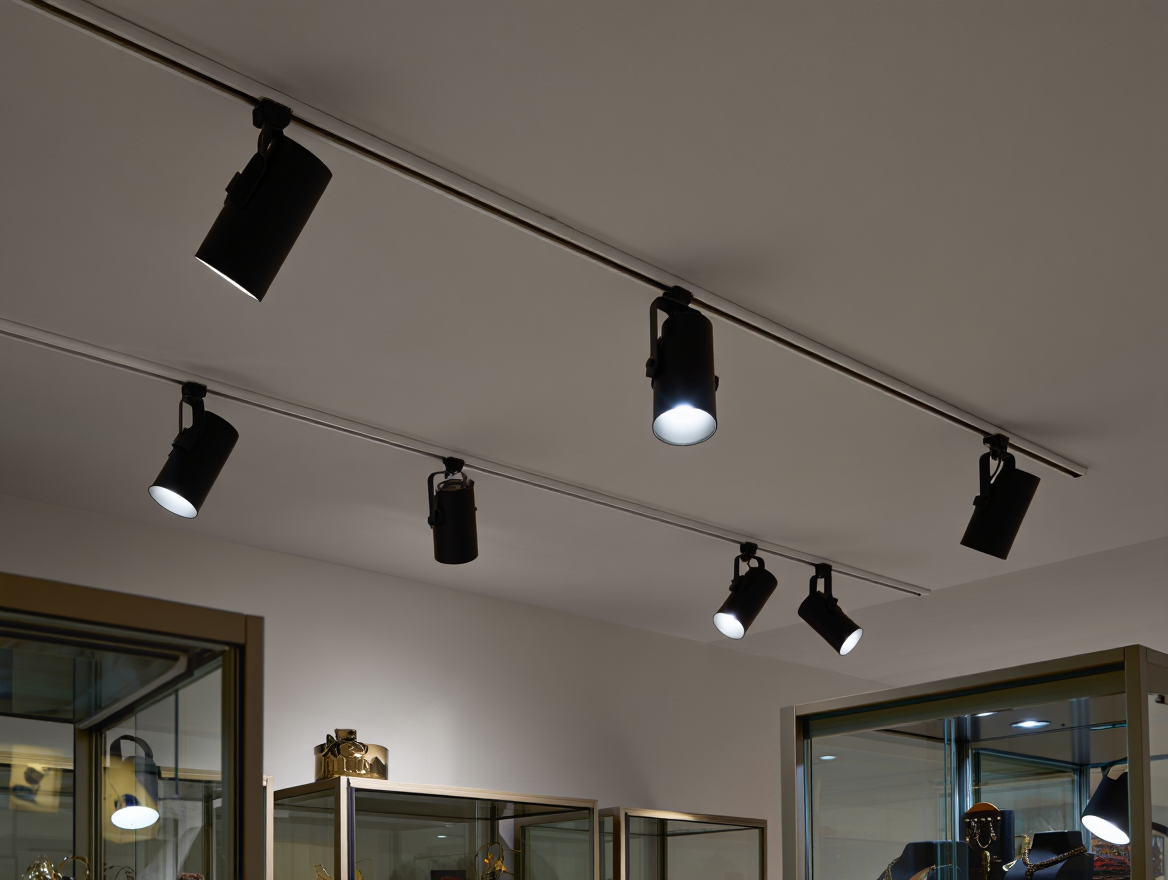
When it comes to flexible and stylish lighting solutions, track lighting is often the go-to choice for homeowners, designers, and businesses alike. Unlike traditional fixed ceiling lights, track lighting allows multiple heads to be mounted on a single track or rail, offering the ability to reposition lights easily and direct illumination exactly where it’s needed. This versatility makes it ideal for a range of applications, from accentuating artwork in living rooms and galleries to providing task lighting in kitchens and workshops.
Choosing the right type, layout, and lighting heads is crucial for achieving both the desired brightness and aesthetic effect. Here, Iwill explore the basics of track lighting, its various types, installation considerations, and practical tips for designing an effective system that works for your space.
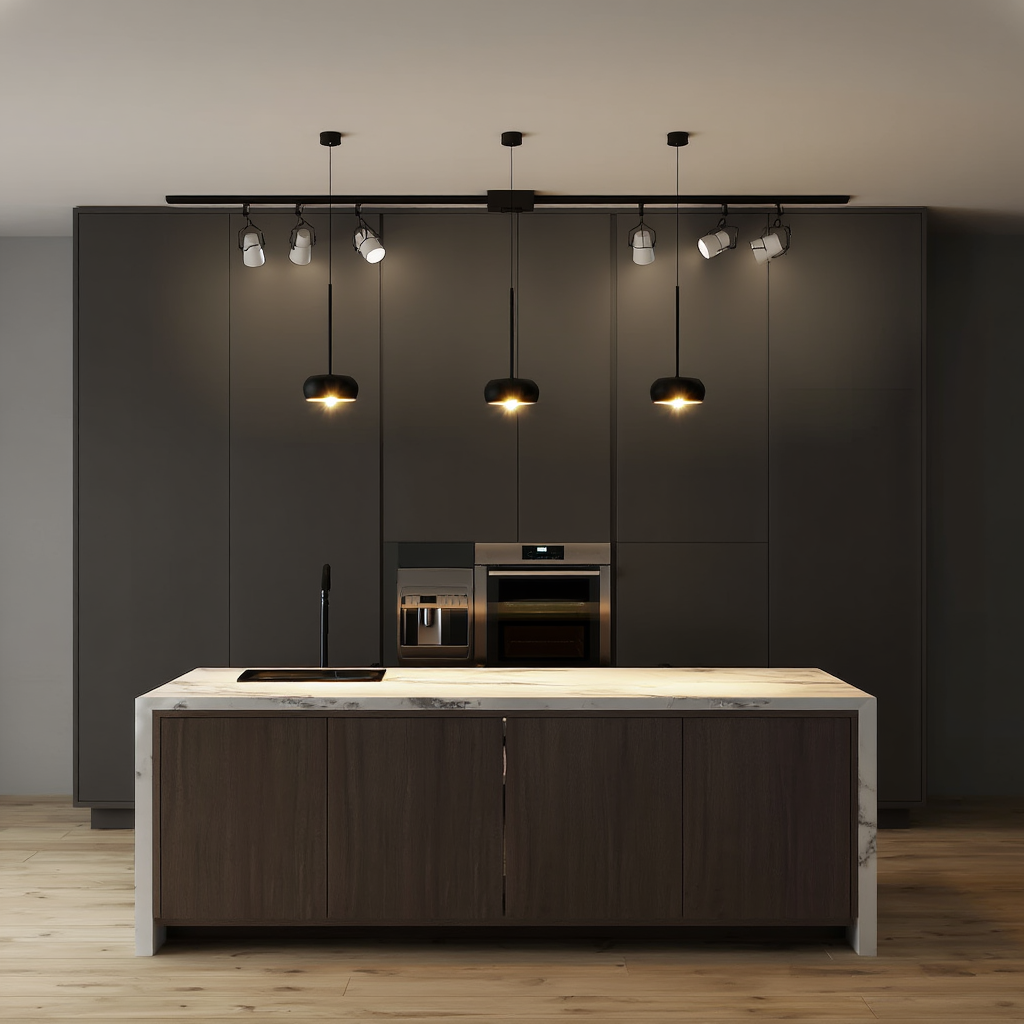
Definition of Track Lighting
Track lighting is a system where multiple light fixtures, or “heads,” are mounted on a continuous track or rail. The heads are adjustable, allowing users to direct light to specific areas or objects. This flexibility distinguishes track lighting from traditional recessed or pendant lights, which are fixed in one position.
For example, in a living room with artwork on multiple walls, a track system allows each head to be aimed precisely at each painting, ensuring consistent illumination without the need for additional wiring or multiple ceiling fixtures. Track lighting is commonly used in homes, offices, retail stores, and galleries, where both functional and aesthetic lighting are required.
How Track Lighting Works?
The track itself serves as the electrical conduit. Power is supplied through the track to each fixture, making it easy to install multiple lights on a single electrical circuit. Some tracks support single-circuit setups, where all heads are powered together, while more advanced systems allow multiple circuits for independent control of different lights.
Track lighting can accommodate various types of light sources, including LED, halogen, and fluorescent fixtures. Modern LED track heads are particularly popular due to their energy efficiency, low heat generation, and long lifespan.
Advantages of Track Lighting
Track lighting offers several advantages over conventional fixed lighting:
- Adjustability – Lights can be repositioned along the track to change focus or coverage without rewiring.
- Flexibility – Multiple heads can illuminate a single area from different angles, perfect for highlighting artwork, countertops, or display items.
- Space Efficiency – A single track can replace multiple ceiling lights, creating a cleaner, minimalist ceiling appearance.
- Design Appeal – Track lighting adds a modern, professional look to both residential and commercial spaces.
Types of Track Lighting
-
H-Type Track (Standard)
H-Type is the most common track system used in residential spaces. It typically features a single-circuit track compatible with a wide range of fixtures. H-Type tracks are easy to install, making them ideal for DIY projects or simple room lighting solutions.
For example, a kitchen can use a 1.5-meter H-Type track with four adjustable LED heads to evenly illuminate a countertop, providing both functional and task lighting in a single, cohesive system.
-
J-Type Track
J-Type tracks are similar to H-Type but use a slightly different connector design. They are often used with adapters to integrate with other track types, providing compatibility in multi-track installations. J-Type systems are popular in commercial or retail environments where modularity and adaptability are important.
-
L-Type Track (Low-Voltage or Line-Voltage)
L-Type tracks are designed for both low and line-voltage applications. Low-voltage systems require a transformer or driver to convert standard line voltage, while line-voltage tracks can connect directly to standard electrical wiring.
L-Type systems are commonly used in galleries, retail spaces, or modern residential setups that require precise illumination with specialized fixtures.
-
Flexible Track Options
Flexible or bendable tracks allow for creative lighting layouts, including curves, angles, or non-linear paths. These tracks are excellent for unique architectural designs, curved ceilings, or accent walls. They offer designers the freedom to create visually striking lighting arrangements while maintaining functionality.
Track Lighting Costs
Material Costs
The cost of track lighting depends on the length of the track, number of heads, and type of fixtures. Standard track lengths range from $20 to $100 per meter, depending on quality and material. Track heads vary from $15 to $50 each, with LED heads generally being more expensive than halogen options.
For example, a 2-meter track with four LED heads might cost approximately $200–$300 for materials, while the same setup with halogen heads could be around $150–$200.
Installation Costs
DIY installation is possible for straightforward setups, especially single-circuit tracks mounted on standard ceilings.
However, professional installation may be required for multi-circuit tracks, high ceilings, or complex layouts. Professional installation costs typically range from $150 to $500, depending on the number of heads, track length, and any additional electrical work needed.
Long-Term Costs
LED track heads significantly reduce energy costs compared to halogen or incandescent options. Additionally, track lighting systems are modular, meaning additional heads or extensions can be added incrementally, spreading out costs over time.
This flexibility also allows you to upgrade lighting without replacing the entire system.
Track Lighting Design Ideas
Accent Lighting
Accent lighting focuses attention on specific areas or objects. Track lighting is ideal for this purpose because each head can be aimed precisely. In living rooms or galleries, individual heads can illuminate artwork, sculptures, or decorative pieces, creating a visually appealing focal point.
For instance, a 3-meter track with six adjustable LED heads can highlight multiple paintings on a gallery wall, ensuring each piece receives optimal lighting without harsh shadows.
Task Lighting
Track lighting is excellent for task-oriented spaces such as kitchens, offices, and workshops. Adjustable heads can provide focused illumination on countertops, desks, or workbenches.
A kitchen with a medium-density track of LED heads ensures that cooking areas are well-lit, improving visibility and safety while enhancing overall ambiance.
Ambient Lighting
When used with multiple heads, track lighting can serve as the primary source of ambient light in a room. Combining dimmers with adjustable heads allows for layered lighting effects, creating a warm, inviting atmosphere.
For example, a living room can have a 4-meter track spanning the ceiling, with heads directed at walls, seating areas, and decorative elements, providing balanced illumination throughout the space.
Modern and Creative Layouts
Flexible tracks allow for curved or angular installations, ideal for modern interiors or commercial applications. Multi-circuit tracks enable independent control of different heads, allowing for customized lighting zones.
Retail environments can use this setup to highlight different products with varying intensity and angles, enhancing the shopping experience.
Installation Tips and Considerations
Choosing the Right Track Length
Before installation, it’s essential to plan the track length according to your space and lighting needs. Measure the ceiling or wall area you intend to illuminate and determine how many heads are required for even coverage. For kitchens, a 1.5–3 meter track often suffices, while living rooms or galleries may need multiple tracks or longer lengths.
Remember that longer tracks may require additional power injection points to prevent voltage drops, especially when using LED heads. For example, a 4-meter high-density LED track may need power at both ends to ensure uniform brightness across all heads.
Mounting Options
Track lighting can be mounted in several ways:
- Surface Mounting – The track is fixed directly to the ceiling or wall. Suitable for most residential setups.
- Recessed Mounting – Installed flush with the ceiling for a cleaner, minimalist look. Requires professional installation.
- Pendant Mounting – Suspended from the ceiling, ideal for high ceilings or open spaces.
Choosing the right mounting method ensures stability, proper light distribution, and compatibility with your room’s design.
Electrical and Power Considerations
Track lighting requires careful planning of power supply and circuit compatibility. Single-circuit tracks power all heads together, while multi-circuit tracks allow independent control for adjustable zones. Always ensure that your power source matches the voltage requirements of your track and heads.
For LED track lighting, consider using drivers or transformers recommended by the manufacturer. Using the wrong driver can cause flickering, dimming, or reduced lifespan of the LEDs. In high-density setups, check for heat dissipation solutions, as dense LED heads can generate significant heat over extended periods.
Common Mistakes to Avoid
Insufficient Number of Heads
A frequent mistake is using too few heads for a large area, which results in uneven lighting and dark spots. Calculate the number of heads needed based on track length and room size. For instance, a 3-meter living room track with only two heads may leave half the room poorly illuminated.
Incompatible Track and Fixtures
Track types (H, J, L) must match the fixtures you plan to use. Using incompatible heads can lead to poor electrical connections, reduced performance, or safety hazards. Always verify compatibility before purchasing additional heads or extensions.
Neglecting Heat Management
High-density LED track heads generate heat that can affect performance and longevity. Installing them without proper heat dissipation or mounting on aluminum channels can shorten lifespan. For halogen tracks, ensure ventilation to avoid overheating, which can pose fire risks.
Ignoring Dimmers or Smart Controls
Track lighting is often paired with dimmers or smart controls for adjustable ambiance. Using incompatible dimmers can cause flickering or reduced lifespan. Always check compatibility with LED heads or smart RGB systems before installation.
Real-World Examples
Residential Living Room
A homeowner wants modern, adjustable lighting for a 5-meter living room. Using two 2.5-meter H-Type tracks with LED heads spaced evenly allows for both ambient and accent lighting. Heads are directed toward seating areas, artwork, and shelves, creating a layered, dynamic lighting effect.
Kitchen Task Lighting
In a kitchen, a 1.8-meter track with four LED heads provides focused task lighting over countertops. Adjustable heads ensure no shadows fall on prep areas. The LED heads reduce energy consumption and generate minimal heat, which is crucial in a kitchen environment.
Retail and Commercial Spaces
A retail store uses a 6-meter flexible L-Type track with RGB LED heads to highlight different product zones. Multiple circuits allow staff to adjust lighting for seasonal displays or spotlight promotions without rewiring the entire track system. The high-density heads provide bright, uniform illumination to enhance the shopping experience.
Practical Tips for Optimal Track Lighting
- Plan Head Placement Carefully – Position heads based on function: task, accent, or ambient lighting.
- Use Aluminum Channels for High-Density LEDs – Helps dissipate heat and prolongs LED life.
- Consider Multi-Circuit Tracks for Larger Spaces – Allows control of zones independently.
- Match Track Type and Fixtures – Prevents electrical issues and ensures smooth operation.
- Combine Ambient and Accent Lighting – Creates depth, highlights features, and improves overall aesthetics.
Conclusion
Track lighting is a versatile, stylish, and functional solution for homes, offices, and commercial spaces. Its adjustable heads, flexible layouts, and wide variety of types make it ideal for accent, task, and ambient lighting. Choosing the right track type, head density, and installation method ensures optimal performance, uniform illumination, and energy efficiency.
By planning carefully, avoiding common mistakes, and selecting quality LED or halogen heads, you can create a professional, customizable lighting system tailored to your space. Track lighting not only brightens rooms but also enhances design, highlights features, and provides long-lasting, cost-effective illumination. Explore quality track systems and LED heads to elevate your lighting projects today.
FAQs
Q1: Can I install track lighting myself?
A: Yes, simple single-circuit tracks can be installed DIY if you’re comfortable with basic electrical work. Complex multi-circuit setups or high ceilings are better handled by professionals for safety and efficiency.
Q2: Are LED heads better than halogen for track lighting?
A: Yes. LED heads use less energy, produce less heat, and last longer, making them ideal for both residential and commercial applications.
Q3: Can I mix different types of heads on one track?
A: Some tracks allow it, but ensure compatibility in voltage, connector type, and weight limits. Mismatched heads can cause performance issues or unsafe operation.
Q4: How do I prevent flickering in track lighting?
A: Use compatible drivers, power supplies, and dimmers. Avoid overloading circuits, and ensure correct installation of LED or halogen heads.
Q5: Is track lighting suitable for outdoor use?
A: Only if the system is rated for damp or wet locations. Use waterproof or weather-resistant tracks and heads to prevent damage and safety hazards.