
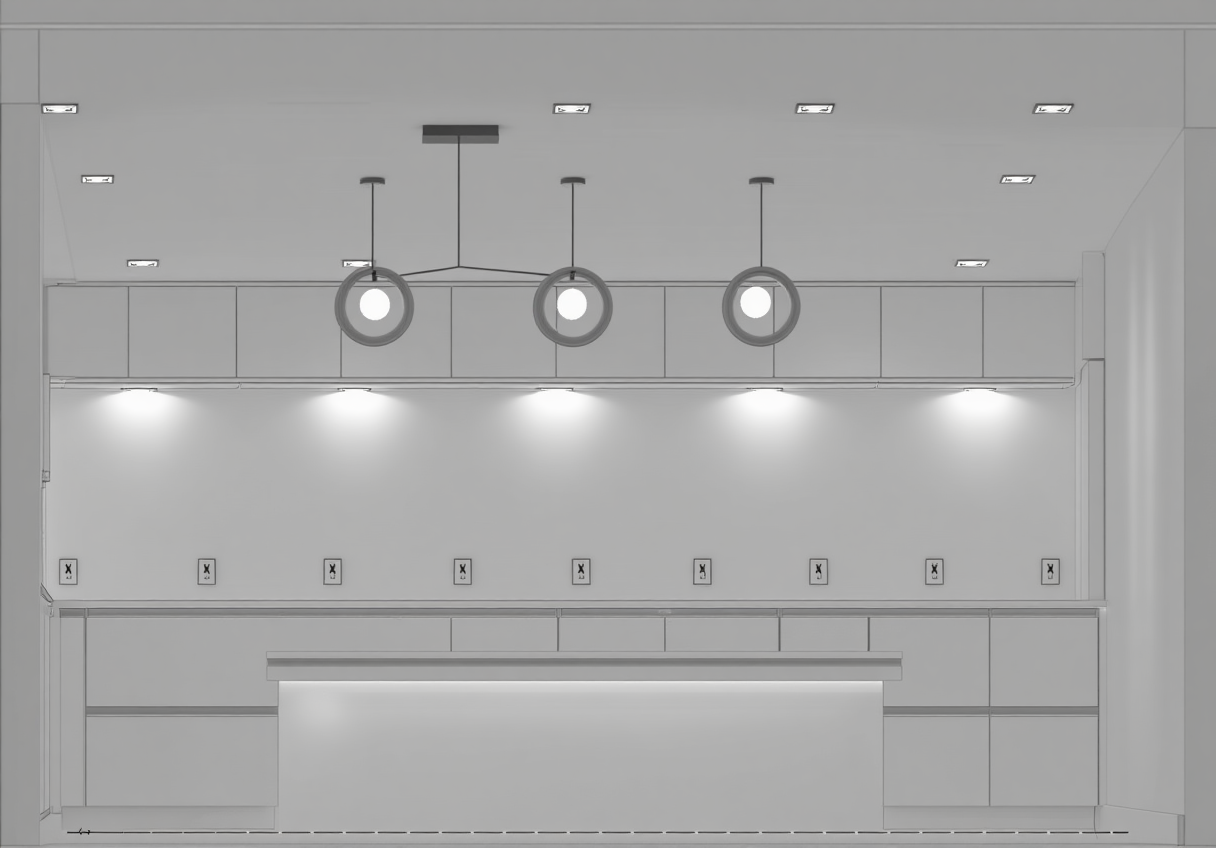
Lighting can make or break the functionality and ambiance of a space, yet many homeowners and designers struggle to achieve the right balance. Often, rooms are either too dark in certain areas or overlit, creating discomfort, glare, or wasted energy. This is where a well-planned lighting layout comes into play. A lighting layout is essentially a blueprint that shows where to place fixtures, what types of lights to use, and how to control illumination for both function and aesthetics.
In this guide, I will explain what a lighting layout is, explore the types of lighting, and walk through a detailed process to design one effectively.
Definition of Lighting Layout
A lighting layout is a comprehensive plan that indicates the placement, type, and direction of lights within a space. It is used to ensure that the room has sufficient illumination for its purpose while also enhancing its aesthetic appeal. Essentially, a lighting layout transforms your ideas into a visual plan that guides fixture installation.
For example, in a home office, a lighting layout might specify recessed ceiling lights for general illumination, a desk lamp for task lighting, and an accent light to highlight a bookshelf. This planning ensures that every functional and decorative need is met without overcrowding the space with unnecessary fixtures.
Importance of a Lighting Layout
Properly designed lighting layouts prevent common problems like uneven lighting, harsh shadows, or glare. They improve both the functionality and mood of a room by directing light where it’s needed and balancing brightness levels.
A well-thought-out lighting layout also contributes to energy efficiency. By strategically placing fixtures and using energy-efficient bulbs like LEDs, you can reduce power consumption while achieving the desired illumination. Additionally, a lighting layout adds a professional touch to interior design, making spaces feel polished, welcoming, and visually balanced.
Types of Lighting Layouts
-
Ambient Lighting Layout
Ambient lighting provides general illumination that fills the room evenly. This can be achieved through ceiling-mounted fixtures, recessed lights, or pendant lights. In a kitchen, ambient lighting ensures that the entire area is uniformly lit, reducing shadows on countertops and floors.
For example, a living room may use a combination of ceiling-mounted LEDs and wall sconces to create a soft, uniform glow that serves as the base layer for other lighting types. Ambient lighting forms the foundation of a layered lighting design, ensuring that no corner of the room is left too dark.
-
Task Lighting Layout
Task lighting focuses on specific areas where activities are performed, such as cooking, reading, or working at a desk. Under-cabinet lights in kitchens, adjustable desk lamps in offices, and pendant lights over dining tables are all examples of task lighting.
An effective task lighting layout considers the placement and direction of each light source. For instance, in a home office, positioning a desk lamp to minimize shadows on the work surface improves productivity and reduces eye strain. Task lighting often complements ambient lighting to create a functional and comfortable environment.
-
Accent Lighting Layout
Accent lighting is designed to highlight specific objects or architectural features, such as artwork, sculptures, or textured walls. Spotlights, track lights, and wall-mounted fixtures are common tools for accent lighting.
For example, in a gallery-style living room, a track lighting system with adjustable heads can illuminate paintings or photographs without creating glare. Accent lighting adds depth and visual interest to a space, drawing attention to key elements and enhancing overall design.
-
Layered Lighting Layout
Layered lighting combines ambient, task, and accent lighting to create a balanced and versatile environment. This approach allows flexibility for different activities, moods, and times of day.
For instance, a kitchen may have recessed ceiling lights (ambient), under-cabinet LEDs (task), and pendant lights above an island (accent). Layering ensures that the room functions efficiently while maintaining aesthetic appeal. This method is widely recommended in modern interior design, as it provides both adaptability and style.
Steps to Design a Lighting Layout
Analyze the Space
Start by understanding the room’s dimensions, ceiling height, and window placement. Note the primary activities performed in each area and the locations of furniture or architectural features. For example, a rectangular living room with high ceilings may require more ambient lighting than a small, cozy study.
Assessing natural light is equally important. Rooms with large windows may need less artificial lighting during the day but could require carefully positioned fixtures for evening use. This analysis forms the foundation of a functional and balanced lighting layout.
Select Lighting Types and Fixtures
Choose the types of lighting fixtures based on function, aesthetics, and energy efficiency. Options include LED, halogen, fluorescent, or smart lighting. Each type has its advantages:
- LEDs – energy-efficient, long lifespan, low heat generation.
- Halogen – bright, excellent color rendering, but generates heat and uses more power.
- Fluorescent – suitable for general lighting, less heat, moderate energy efficiency.
- Smart lighting – remote or automated control, color-changing options.
Select fixtures that complement the room’s design. Ceiling-mounted, wall-mounted, pendant, and floor lamps all contribute to a layered lighting system.
Plan Light Placement
Light placement is crucial to avoid dark spots, glare, or uneven illumination. Use diagrams, sketches, or lighting design software to plan fixture positions accurately. For instance, recessed ceiling lights should be spaced according to room dimensions, while accent lights need precise angles to highlight objects without harsh shadows.
Consider spacing, height, and orientation. In kitchens, placing task lighting directly above countertops ensures clear visibility. In living rooms, positioning accent lights on artwork or display shelves enhances visual appeal. Proper planning prevents common lighting mistakes and ensures functional and attractive results.
Determine Brightness and Color Temperature
Choose lumens based on the room’s size and function. For example, general living spaces may need 20 lumens per square foot, while task areas like kitchens or workstations may require 50 lumens per square foot.
Color temperature affects mood and activity:
- Warm white (2700–3000K) – cozy, relaxing atmosphere, suitable for bedrooms and living areas.
- Neutral white (3500–4000K) – balanced, functional light for kitchens and bathrooms.
- Daylight (5000–6500K) – bright, energetic light for workspaces or reading areas.
Selecting the right color temperature ensures comfort, visual clarity, and energy efficiency.
Include Control Options
Incorporate dimmers, motion sensors, or smart controls to enhance flexibility. Dimmers allow for adjusting brightness for different activities, while motion sensors increase energy efficiency in areas like hallways or garages. Multi-circuit systems let you control separate zones independently, ideal for layered lighting designs.
Practical Tips for Designing a Lighting Layout
Consider Room Function
The first step in practical lighting layout design is to match lighting to the room’s purpose. For example, kitchens and offices require brighter task lighting for work surfaces, while living rooms and bedrooms benefit from softer, ambient light that creates a cozy atmosphere. A bathroom may need high-CRI lighting for accurate color reflection, especially around mirrors.
Properly assessing the function prevents over- or under-lighting. For instance, placing dim, ambient-only lighting over a kitchen island can create shadows that make food preparation difficult, whereas a combination of ambient and task lighting ensures efficiency and comfort.
Layer Your Lighting
Layered lighting combines ambient, task, and accent lighting to provide flexibility and balance. Using a single type of lighting often leads to uneven illumination or lack of depth. Layering ensures that each activity has adequate light while enhancing aesthetics.
Example: In a living room, ambient recessed ceiling lights provide overall illumination, a floor lamp offers reading light, and wall-mounted accent lights highlight artwork or architectural features. This approach avoids dark corners and creates a visually engaging environment.
Optimize Fixture Placement
Proper fixture placement avoids glare and shadows. Recessed lights should be spaced evenly based on room size and ceiling height. Task lights, such as under-cabinet LEDs, should be positioned directly above work surfaces. Accent lighting should be angled appropriately to highlight objects without creating harsh contrasts.
Pro tip: Maintain at least a 1-foot distance from walls for recessed lighting to prevent wall shadows and avoid placing lights too close together, which can create hot spots.
Select the Right Bulbs and Color Temperature
Choose bulbs that match the intended mood and function of each space. LEDs are preferred for their energy efficiency, long lifespan, and low heat emission. Consider brightness in lumens rather than watts to ensure adequate illumination.
Color temperature plays a critical role: warm white (2700–3000K) for relaxing areas, neutral white (3500–4000K) for functional spaces, and daylight (5000–6500K) for task-heavy zones. Using consistent color temperature in the same room avoids visual discomfort.
Include Controls for Flexibility
Integrating dimmers, smart lighting, or multi-circuit switches allows you to adjust brightness and zones independently. Motion sensors are ideal for hallways or closets to save energy. Multi-circuit track or recessed lighting systems enable selective control, perfect for layered designs in larger spaces.
Common Mistakes in Lighting Layouts
Ignoring Room Function
A common mistake is designing layouts without considering how the space will be used. For instance, installing only ambient lighting in a kitchen or study can lead to inadequate task illumination. Understanding the purpose of each area is essential.
Overlooking Fixture Scale and Proportion
Fixtures that are too large or small can disrupt visual harmony. Pendant lights or chandeliers should be proportionate to the table or room size, while recessed lights must be spaced according to ceiling height. Incorrect sizing affects both aesthetics and functionality.
Neglecting Shadows and Glare
Improper placement of fixtures can create glare or unwanted shadows. For example, a desk lamp positioned behind the user can cast shadows on the work surface. Using adjustable fixtures or layered lighting can prevent these issues.
Poor Color Temperature Planning
Mixing warm and cool lighting inappropriately can create an uncomfortable or harsh environment. Always maintain consistent color temperature for the same zone or layer to achieve visual comfort.
Forgetting Energy Efficiency
Using outdated bulbs or over-lighting a space increases energy consumption unnecessarily. Modern LEDs, energy-efficient controls, and thoughtful layout planning help reduce electricity costs while maintaining quality illumination.
Tools and Software for Designing Lighting Layouts
Using professional tools makes designing lighting layouts more precise and effective.
- CAD Software – AutoCAD, Revit, and SketchUp allow detailed 2D/3D planning of fixture placement and wiring.
- Lighting Calculators – Help determine the number of lumens required per square foot for each area.
- Simulation Tools – Dialux and Relux simulate lighting layouts, including shadows, glare, and intensity, allowing you to visualize results before installation.
- Smart Apps – Many LED and smart lighting manufacturers provide apps to plan, test, and adjust layouts digitally.
For example, a designer planning office lighting can use Dialux to simulate natural light from windows, combined with overhead LED placement, ensuring uniform brightness across desks without glare.
Real-World Examples
Residential Living Room
A homeowner wants layered lighting for a 6×5-meter living room. The design includes recessed ambient lights along the ceiling perimeter, a floor lamp for reading, and adjustable track lighting to highlight artwork. The result is a balanced, flexible layout that suits multiple activities while creating a visually appealing environment.
Kitchen Task Lighting
A kitchen layout uses a 2.5-meter track with LED heads above the island, under-cabinet LEDs for countertops, and recessed ceiling lights for ambient illumination. This combination ensures proper lighting for cooking, food preparation, and entertaining, while maintaining a sleek, modern look.
Commercial Retail Space
A boutique installs a flexible multi-circuit track system with adjustable spotlights. Ambient lighting provides overall illumination, while accent lighting highlights seasonal displays. Independent circuits allow staff to adjust zones based on product placement or time of day, enhancing the shopping experience.
Conclusion
A well-designed lighting layout is key to a functional, comfortable, and visually appealing space. By understanding room dimensions, activities, fixture types, brightness, and color temperature, you can create a balanced, energy-efficient design. Avoid common mistakes such as ignoring task areas, mixing incompatible fixtures, or neglecting layering. Using planning tools, software, and professional guidance ensures precise placement and optimal results.
Investing time in designing your lighting layout improves ambiance, highlights architectural features, and enhances daily living or workspace functionality. Whether for residential, commercial, or retail environments, a thoughtful lighting layout maximizes performance, energy efficiency, and overall visual appeal. Start planning your layout today to transform any space into a well-lit, stylish, and inviting environment.
FAQs
Can I create a lighting layout without professional help?
Yes, for simple residential spaces, you can plan basic ambient, task, and accent layers. For complex layouts, software tools or a professional designer ensure optimal results.
How do I calculate the number of fixtures needed?
Multiply the room area by required lumens per square foot, then divide by lumens per fixture. Adjust for ceiling height and fixture type for accuracy.
What is the best color temperature for living rooms?
Warm white (2700–3000K) creates a cozy, relaxing atmosphere, ideal for living rooms, bedrooms, and lounges.
Can I mix LED and halogen lights in one layout?
It’s possible but not recommended, as different technologies may cause color inconsistencies, uneven brightness, and varying heat output.
How important are dimmers in a lighting layout?
Dimmers allow control of brightness, create ambiance, and save energy. They are highly recommended for layered and multi-zone lighting designs.