
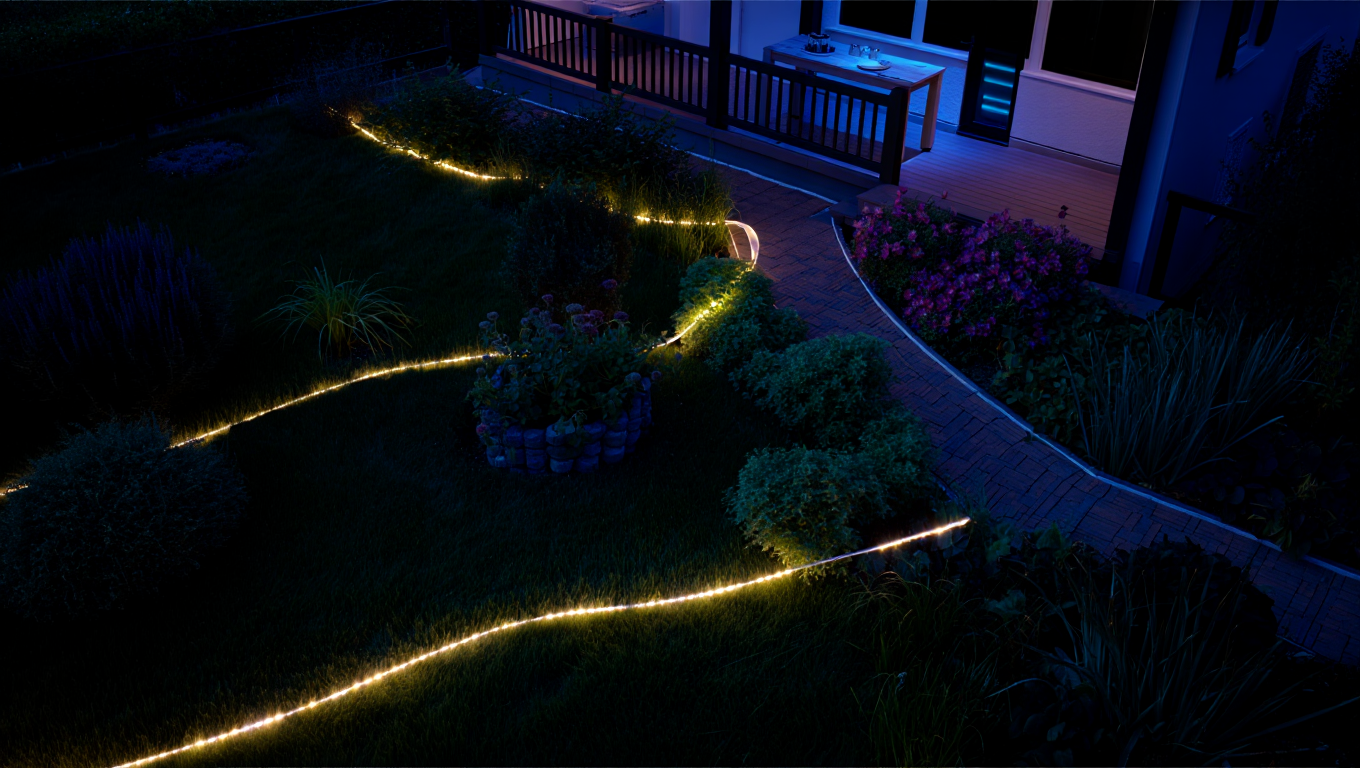
Outdoor lighting can completely transform a garden, creating a magical ambiance, enhancing safety, and highlighting key features. Among various lighting options, outdoor LED strip lights have become a favorite due to their flexibility, energy efficiency, and long lifespan. Unlike traditional string lights or spotlights, LED strips can contour to pathways, decks, fences, and even trees, offering both functional and decorative illumination.
This guide explains everything you need to know—from selecting the right strips and planning placement to installation tips, creative ideas, and maintenance strategies—so your garden can shine beautifully and safely.
What Are Outdoor LED Strip Lights?
Outdoor LED strip lights are flexible circuits populated with LEDs, designed specifically to withstand outdoor conditions. Unlike indoor strips, they are encased in waterproof or weather-resistant coatings, making them durable against rain, moisture, and dust. Available in a variety of lengths, colors, and brightness levels, these strips offer unmatched versatility.
For instance, single-color strips provide a soft, continuous glow ideal for pathways, while RGB strips can change colors dynamically to suit different occasions. Addressable LED strips allow precise control over individual LEDs, enabling advanced effects like chasing, fading, or gradient patterns.
Benefits of Using LED Strip Lights in Gardens
LED strip lights offer multiple advantages:
- Energy Efficiency – LEDs consume far less power than incandescent or halogen bulbs.
- Longevity – Quality strips can last 25,000–50,000 hours, reducing maintenance and replacement costs.
- Flexibility – Can be installed along edges, curves, and uneven surfaces.
- Aesthetic Appeal – Highlight paths, plants, or architectural elements to enhance the garden’s visual appeal.
- Safety and Security – Illuminated walkways reduce the risk of trips, and well-lit areas deter intruders.
For example, a homeowner may install LED strips along a garden walkway to provide safe nighttime navigation while simultaneously illuminating flower beds, creating both functionality and ambiance.
Types of Outdoor LED Strip Lights
- Single-Color LED Strips – Basic accent lighting, available in warm white, cool white, or other solid colors.
- RGB LED Strips – Offer multiple colors and modes, perfect for decorative or festive lighting.
- Addressable LED Strips – Advanced strips that allow individual LED control for dynamic lighting effects like moving patterns or gradients.
Choosing the right type depends on your design goals, whether it’s simple functional lighting or vibrant decorative effects for events.
Planning Your Garden Lighting Layout
Assessing the Space
Before installation, evaluate the garden area to determine where lights are most needed. Measure the dimensions of paths, patios, and focal points like fountains, trees, or seating areas. Identifying these zones helps create a layout that balances functional and decorative lighting.
For example, in a 10×6-meter backyard, you might prioritize LED strip placement along the main pathway, deck perimeter, and around a central planter. Mapping the garden in a simple sketch ensures you avoid dark spots and overlapping illumination.
Choosing the Right LED Strip Type
Consider the following factors when selecting strips:
- Brightness – Measured in lumens; sufficient brightness ensures both safety and visibility without being overpowering.
- Color Temperature – Warm white (2700–3000K) for cozy ambiance, cool white (4000–5000K) for modern, functional lighting.
- Waterproof Rating – IP65 or higher is recommended for exposure to rain, irrigation, or moisture.
- Strip Flexibility – Flexible tape strips contour easily, while rigid LED bars offer structured illumination for specific design elements.
For instance, an IP67-rated RGB strip can wrap around a pergola’s beams and withstand occasional heavy rain without risk of short circuits.
Placement Strategies
Proper placement enhances both aesthetics and functionality:
- Pathways – Install strips along edges or under low railings to safely guide guests at night.
- Decks and Patios – Under benches, steps, or railing edges for subtle, indirect lighting.
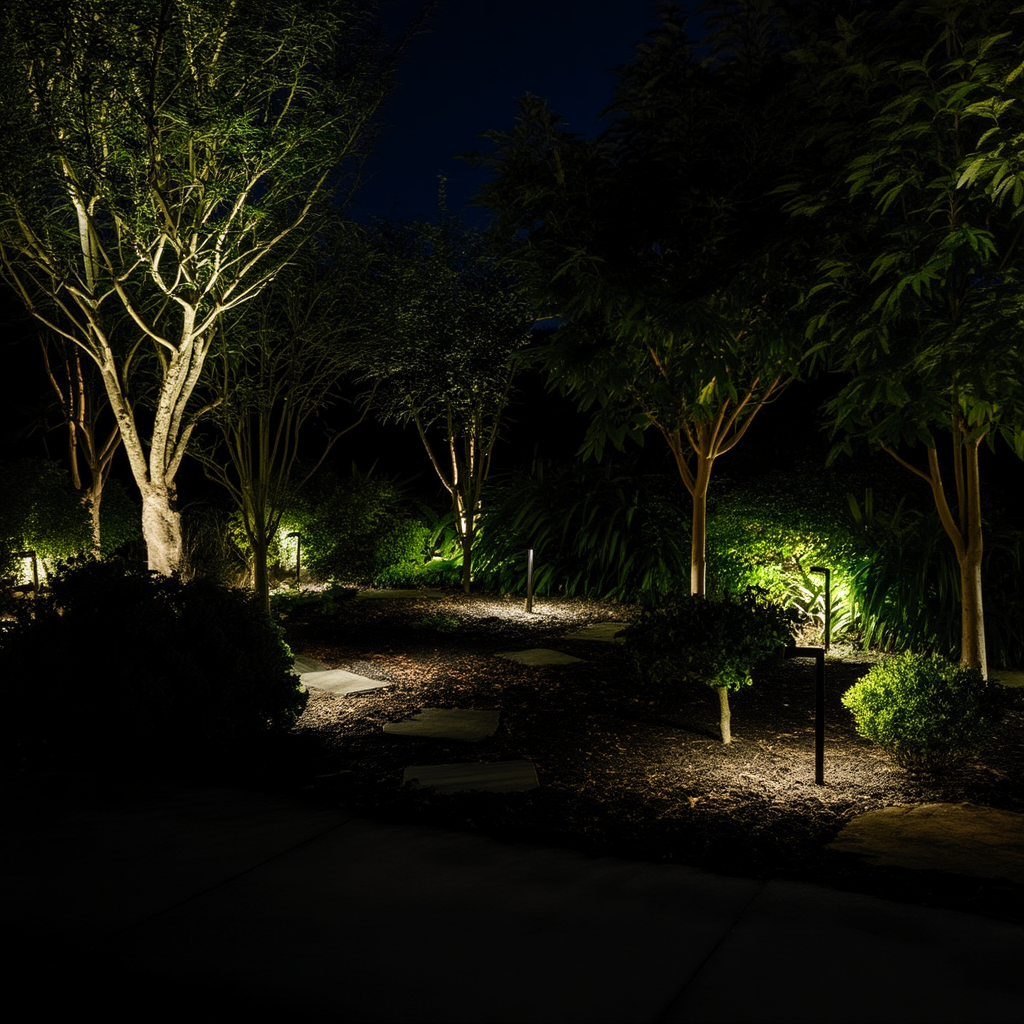
- Trees and Shrubs – Wrap strips around trunks or hide them under foliage to highlight texture and form.
- Water Features – Use waterproof strips with diffusers to illuminate fountains or ponds safely.
Placement should also account for the direction of light to avoid glare in eyes or reflections that can disturb the intended ambiance.
Power Supply and Voltage Considerations
Most outdoor LED strips use low-voltage systems (12V or 24V), which are safe and energy-efficient. When planning a layout:
- Calculate the total wattage of all connected strips.
- Choose a waterproof, outdoor-rated power supply capable of handling the total load with a 20–30% buffer.
- Plan wiring to hide cables under soil, mulch, or conduits to protect against weather and accidental damage.
For example, a 5-meter RGB strip consuming 24W per meter would require a 150W (plus safety buffer) outdoor-rated power supply to operate efficiently.
Installation Tips for Outdoor LED Strip Lights
Preparing the Surface
Before sticking or mounting strips, clean the surface thoroughly. Dust, dirt, or moisture can compromise adhesive backing. For uneven or rough surfaces, use mounting clips or brackets for a more secure hold.
- Tip: Ensure surfaces are dry and smooth to maximize adhesion. Use alcohol wipes if necessary.
Connecting the Strips
- Cut strips only at designated points marked on the strip.
- Use waterproof connectors or solder for secure joints.
- If extending strips, ensure the additional power supply or wiring can handle the total wattage.
For example, a garden deck may require two 5-meter strips connected in parallel with a waterproof junction box to ensure even illumination across the entire perimeter.
Securing and Weatherproofing
- Seal connections with silicone or heat-shrink tubing to prevent moisture penetration.
- Use IP-rated enclosures for power supplies and controllers to withstand rain or irrigation systems.
- Elevate connectors slightly above ground level to avoid puddles forming around them.
Testing Before Final Installation
Always test strips before permanent installation. Power up the entire system, check each segment, test color changes on RGB or addressable strips, and confirm dimmer or controller functionality. This prevents the need to undo installations if a segment malfunctions.
Creative Ideas for Outdoor LED Strip Lighting
Illuminate Pathways and Walkways
One of the most practical applications of LED strip lights in gardens is along pathways. Low-level strips placed under edges of steps or along garden paths ensure safe navigation at night. They also add a soft, inviting glow that enhances the overall atmosphere.
Tip: Use warm white strips (2700–3000K) to create a cozy, natural feel. For modern, minimalist gardens, cool white (4000–5000K) provides a crisp, clean appearance.
Highlight Trees, Shrubs, and Garden Features
Wrapping LED strips around tree trunks, under branches, or along planter edges accentuates natural textures. Combining strip lighting with outdoor spotlights creates depth and visual interest. You can even use addressable RGB strips for seasonal color themes or festive lighting.
Example: A Japanese-style garden can use soft amber strips under rocks and bonsai trees to create a calming, Zen-like ambiance during evening hours.
Enhance Decks, Pergolas, and Outdoor Seating Areas
Under-rail or perimeter lighting on decks and pergolas creates a subtle, elegant glow. It provides sufficient illumination for evening gatherings without overpowering the space. This approach also improves safety by highlighting steps and edges.
Tip: Integrate dimmers or smart controllers so you can adjust the brightness depending on the occasion. Bright lighting for cooking or cleaning, softer tones for relaxing or entertaining guests.
Accent Water Features
Water fountains, ponds, and garden pools benefit from waterproof LED strips. Positioning strips under ledges or around the perimeter can make water shimmer at night. Diffusers help soften reflections and prevent glare.
Example: An IP67-rated RGB strip placed around a pond’s edge can cycle through subtle blue and green hues, enhancing the garden’s tranquility.
Creative Effects with RGB and Addressable Strips
RGB and addressable LED strips allow dynamic lighting effects. You can program fading, chasing, or gradient patterns to match seasonal décor or parties. Addressable strips offer precise control of individual LEDs, enabling intricate designs or animations.
Common Mistakes and How to Avoid Them
Using Indoor-Only Strips Outdoors
Indoor LED strips are not waterproof and can fail when exposed to moisture. Always select strips with a suitable IP rating (IP65, IP67, or IP68).
Overloading Power Supplies
Calculating total wattage is critical. Connecting too many strips to a single power supply can cause dimming, flickering, or permanent damage. Always provide a safety buffer of 20–30% above the required wattage.
Ignoring Proper Placement
Improper placement can create harsh shadows or uneven lighting. Avoid placing strips too close to reflective surfaces or in areas where they may be blocked by plants or furniture.
Neglecting Maintenance
Outdoor LED strips require occasional cleaning and inspection. Dirt, leaves, or water accumulation can reduce brightness or damage connections over time. Regular checks extend lifespan and prevent safety hazards.
Failing to Waterproof Connections
Sealing joints, connectors, and controllers with silicone or heat-shrink tubing is essential. Water intrusion can cause short circuits or permanent damage, particularly in low-lying areas prone to puddles.
Maintenance Tips for Outdoor LED Strip Lights
- Inspect strips regularly for loose connections, water damage, or dim segments.
- Clean strips with a soft damp cloth to remove dirt, leaves, or pollen. Avoid harsh chemicals that can damage coatings.
- Check the power supply and controllers for moisture intrusion. Ensure enclosures remain sealed.
- Replace damaged segments or connectors promptly to maintain uniform lighting.
- Trim plants or branches near strips to prevent blocking light or causing heat buildup.
Pro Tip: Consider installing a timer or smart controller to turn lights off during the day, saving energy and prolonging LED lifespan.
Conclusion
Outdoor LED strip lights offer endless possibilities for transforming gardens into inviting, visually stunning spaces. By choosing the right type of strip, planning proper placement, and ensuring safe, waterproof installation, you can combine aesthetics, functionality, and energy efficiency. Creative applications—from illuminating pathways and highlighting plants to accenting water features or decks—enhance both safety and ambiance.
Maintaining strips and using smart controls further extends their lifespan and convenience. Whether for everyday garden enjoyment or special occasions, outdoor LED strip lights provide versatile solutions to light up your outdoor living space. Start designing your garden lighting layout today to create a magical, well-lit environment for every evening.
FAQs
Can LED strip lights withstand rain and outdoor conditions?
Yes, but only strips with an appropriate IP rating (IP65 or higher). Ensure all connections and power supplies are properly sealed and protected.
How long do outdoor LED strips last?
High-quality outdoor LEDs can last 25,000–50,000 hours, depending on usage, weather exposure, and maintenance.
Can I use solar-powered LED strips in my garden?
Yes, solar-powered strips are convenient and energy-efficient, but they may produce lower brightness than mains-powered options and depend on sunlight for charging.
How do I hide wiring for a clean look?
Run cables under soil, mulch, or along edges of decking. Use conduit or cable clips to secure wires and protect them from weather or foot traffic.
Can I create color-changing effects outdoors?
Absolutely. RGB or addressable LED strips allow dynamic colors and programmable patterns. Use remote controls or apps for effects like fading, chasing, or custom sequences.